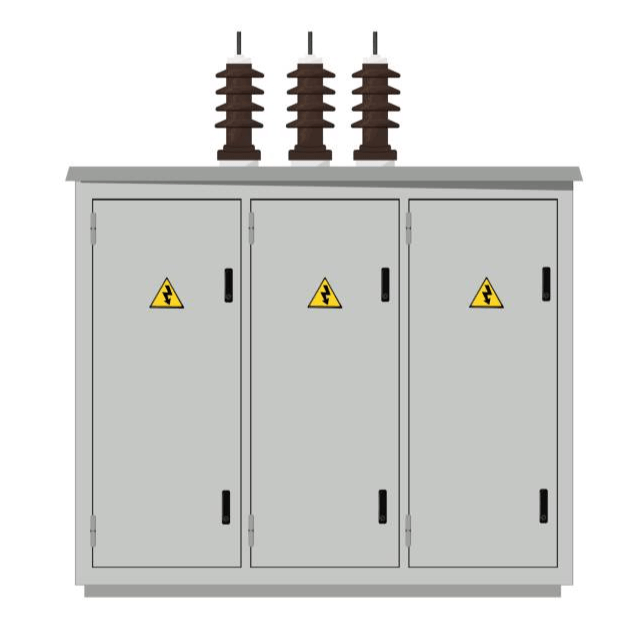
Grounding a transformer is a fundamental practice in electrical systems that directly impacts safety, reliability, and performance. Whether in industrial plants, commercial facilities, or utility networks, proper grounding ensures that electrical faults are controlled and that equipment and personnel remain protected. Without an effective grounding system, even a minor fault can escalate into a serious hazard, leading to equipment damage, operational downtime, or electrical shock risks.
Understanding why grounding plays such a vital role requires a closer look at how transformers operate and how electrical systems behave under normal and fault conditions. Grounding is not just a regulatory requirement. It is a carefully engineered safety mechanism that stabilizes voltage, limits fault currents, and creates a safe path for unwanted electrical energy.
Understanding Transformer Grounding
Transformer grounding refers to the process of connecting specific parts of a transformer, usually the neutral point or metallic enclosure, to the earth. This connection creates a reference point for the electrical system and ensures that excess or fault currents are safely dissipated into the ground.
In a typical transformer setup, grounding can be applied in different ways depending on the system design. The most common approach involves grounding the neutral point of the secondary winding. This provides a stable voltage reference and helps maintain system balance.
Grounding also extends to the transformer tank and associated metal components. These parts are bonded to earth to prevent them from becoming energized due to insulation failure or internal faults.
The Role of Grounding in Electrical Safety
Grounding plays a central role in protecting both people and equipment. Electrical systems operate under high voltage and current conditions, which can become dangerous if not properly controlled. Grounding provides a safe pathway for fault currents, preventing them from flowing through unintended paths such as human bodies or sensitive equipment.
When a fault occurs, such as a short circuit or insulation breakdown, grounding ensures that the excess current flows directly to the earth. This action triggers protective devices like circuit breakers and relays, which isolate the faulty section and prevent further damage.
Without grounding, fault currents may not be sufficient to activate protective systems. This can result in prolonged exposure to hazardous conditions and increase the risk of fire or electrical shock.
Voltage Stabilization and System Performance
One of the key benefits of grounding a transformer is voltage stabilization. Electrical systems require a consistent reference point to maintain stable voltage levels. Grounding provides this reference by fixing the neutral point at earth potential.
In ungrounded systems, voltage levels can fluctuate unpredictably, especially during transient conditions such as lightning strikes or switching operations. These fluctuations can stress insulation, reduce equipment lifespan, and lead to unexpected failures.
Grounded systems, on the other hand, maintain more predictable voltage levels. This improves overall system performance and reduces the likelihood of voltage-related issues.
Fault Detection and Protection Mechanisms
Grounding enhances the effectiveness of fault detection systems. Protective devices rely on the presence of fault currents to identify abnormal conditions. When a transformer is properly grounded, faults generate sufficient current to activate these devices quickly.
There are several types of faults that grounding helps manage:
- Line to ground faults caused by insulation failure
- Lightning induced surges entering the system
- Accidental contact between live conductors and metal surfaces
By providing a low resistance path to earth, grounding ensures that these faults are detected and cleared promptly. This minimizes damage and reduces downtime.
Protection Against Electrical Shock
Electrical shock is one of the most serious hazards in any power system. Grounding significantly reduces this risk by ensuring that exposed conductive parts do not reach dangerous voltage levels.
If a fault causes a transformer enclosure to become energized, grounding directs the current to the earth instead of allowing it to remain on the surface. This prevents the enclosure from posing a shock hazard to anyone who comes into contact with it.
Additionally, grounding works in conjunction with protective devices such as residual current devices and ground fault relays. These systems detect leakage currents and disconnect the supply before harm can occur.
Equipment Protection and Longevity
Transformers and associated equipment represent a significant investment. Grounding helps protect this investment by reducing the impact of electrical faults and transient events.
When a system is properly grounded, fault currents are controlled and directed away from critical components. This prevents overheating, insulation damage, and mechanical stress.
Grounding also protects against overvoltages caused by lightning or switching operations. By providing a discharge path, it prevents voltage spikes from damaging sensitive equipment.
Over time, this leads to improved reliability and longer service life for transformers and connected systems.
Types of Transformer Grounding Methods
Different grounding methods are used depending on system requirements and operational priorities. Each method offers specific advantages and is selected based on factors such as fault current levels, system stability, and safety considerations.
Solid Grounding
In solid grounding, the neutral point is directly connected to earth without any resistance. This method provides the lowest impedance path for fault currents, ensuring quick fault detection and clearance.
It is commonly used in low voltage systems where rapid fault isolation is essential.
Resistance Grounding
Resistance grounding involves connecting the neutral point to earth through a resistor. This limits the magnitude of fault current while still allowing protective devices to operate effectively.
It is often used in medium voltage systems where controlling fault current is important to prevent equipment damage.
Reactance Grounding
In this method, an inductor is used to connect the neutral point to ground. Reactance grounding limits fault current while maintaining system stability.
It is less common but can be useful in specific applications where inductive characteristics are beneficial.
Ungrounded Systems
Although not a grounding method in the traditional sense, ungrounded systems operate without a direct connection to earth. While they can continue operating during a single line to ground fault, they pose higher risks due to unpredictable voltage behavior and difficulty in fault detection.
See also: Why Quantitative Reasoning is the Most “Future-Proof” Skill for Australian Graduates
Grounding and Lightning Protection
Lightning strikes can introduce extremely high voltages into electrical systems. Without proper grounding, these surges can cause catastrophic damage to transformers and connected equipment.
Grounding systems act as a first line of defense against lightning. They provide a direct path for surge currents to dissipate into the earth, reducing the impact on the system.
Surge protection devices work alongside grounding systems to further enhance protection. Together, they help maintain system integrity even during severe weather conditions.
Compliance with Safety Standards
Electrical grounding is not just a best practice. It is a requirement defined by various safety standards and regulations. These standards ensure that electrical systems are designed and operated in a way that minimizes risk.
Compliance involves proper design, installation, and maintenance of grounding systems. This includes selecting appropriate grounding methods, ensuring low resistance connections, and regularly testing the system.
Adhering to these standards helps organizations avoid legal issues and ensures a safe working environment.
Common Grounding Issues and Their Impact
Despite its importance, grounding systems can develop issues over time. Poor installation, corrosion, and lack of maintenance can compromise their effectiveness.
Some common problems include:
- High ground resistance due to soil conditions or degraded connections
- Loose or broken grounding conductors
- Inadequate bonding between equipment and ground
These issues can reduce the ability of the grounding system to handle fault currents, increasing the risk of equipment damage and safety hazards.
Regular inspection and testing are essential to identify and address these problems before they lead to serious consequences.
Best Practices for Effective Transformer Grounding
Ensuring effective grounding requires careful planning and ongoing maintenance. Engineers must consider factors such as soil resistivity, system configuration, and fault current levels when designing grounding systems.
Installation should follow established standards and use high quality materials to ensure durability and performance. Proper bonding between all conductive parts is also essential to maintain a continuous grounding path.
Routine testing, such as ground resistance measurements, helps verify that the system remains effective over time. Any issues identified during testing should be addressed promptly to maintain safety and reliability.
The Broader Impact on Electrical Systems
Grounding a transformer does more than just protect a single piece of equipment. It contributes to the overall stability and safety of the entire electrical network.
A well grounded system supports efficient fault management, reduces downtime, and enhances operational reliability. It also improves power quality by minimizing voltage fluctuations and transient disturbances.
In complex systems, proper grounding ensures coordination between protective devices, allowing them to operate as intended. This coordination is critical for maintaining system integrity during fault conditions.
Conclusion
Grounding a transformer is a critical aspect of electrical system design that directly affects safety, performance, and reliability. By providing a controlled path for fault currents, grounding protects both people and equipment from the dangers of electrical faults.
It stabilizes voltage levels, enhances fault detection, and safeguards systems against transient events such as lightning strikes. Different grounding methods offer flexibility in addressing specific system requirements, but all share the common goal of improving safety.
Neglecting grounding can lead to serious consequences, including equipment damage, operational disruptions, and increased risk of electrical shock. Proper design, installation, and maintenance of grounding systems are essential to ensure their effectiveness.