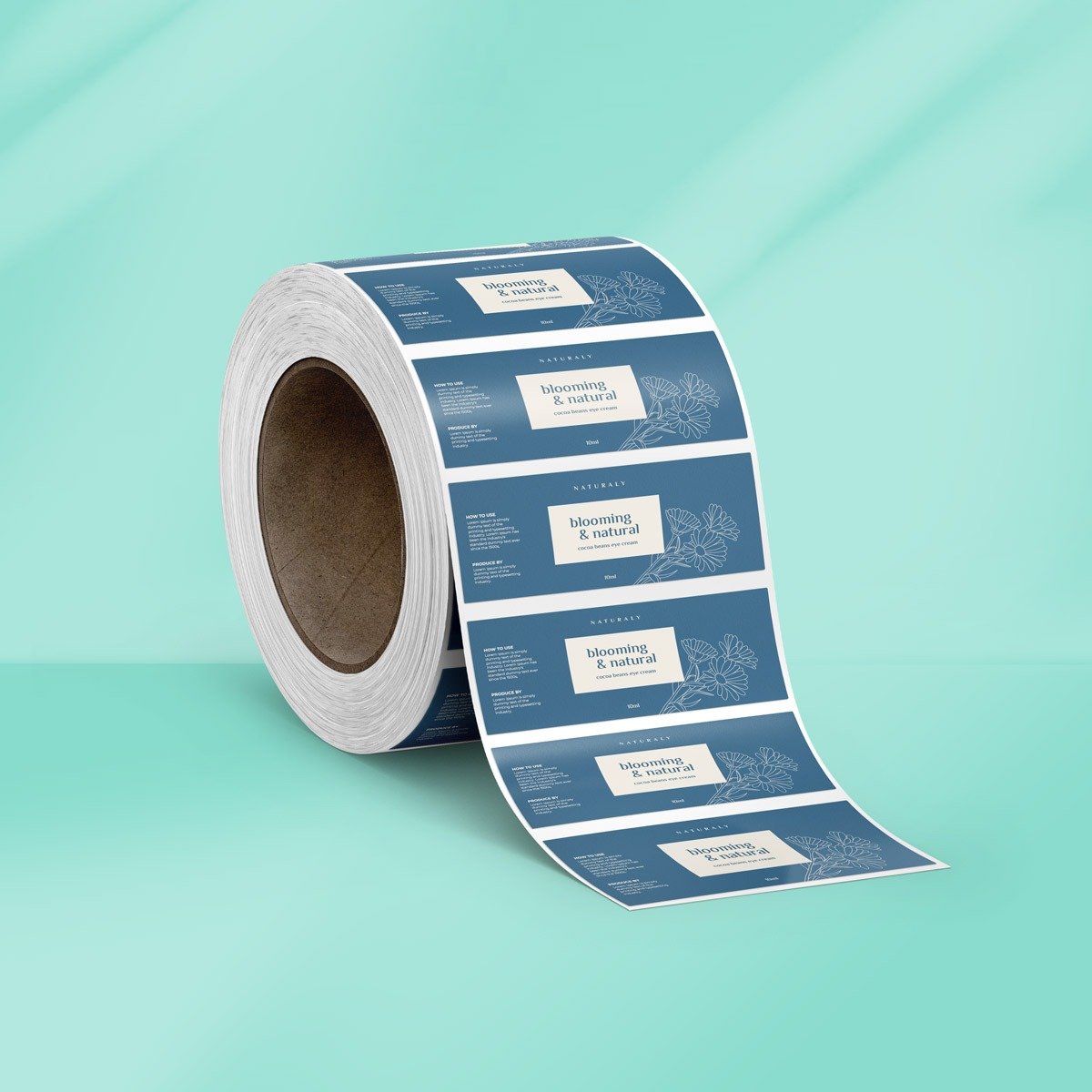
When launching a product, most business owners focus on the product itself. While creating a quality product is undoubtedly important, another factor plays a major role in shaping customer decisions. That factor is product labelling. Whether you are selling food items, cosmetics, beverages, or handmade products, the label is often the first thing customers notice. Hence, investing time and effort into creating the right label can make a significant difference.
In today’s competitive marketplace, businesses are constantly looking for ways to make their products stand out. This is where waterproof sticker printing becomes extremely useful. Labels are no longer just pieces of information attached to packaging. They have evolved into powerful branding tools that help businesses communicate their identity, values, and professionalism. A well-designed label can instantly capture attention and encourage potential customers to learn more about a product.
On the other hand, many business owners overlook the importance of selecting the right label material and finish. While design is important, durability matters just as much. Labels that fade, tear, or peel can negatively impact customer perception. Therefore, understanding different printing options, materials, and finishes is essential for creating labels that remain attractive and functional throughout a product’s lifecycle.
The Growing Importance of Product Labels
If you walk through any retail store, you will notice hundreds of products competing for attention. Customers often make purchasing decisions within a few seconds. During this short period, packaging and labelling play a crucial role in creating a positive first impression.
A label serves multiple purposes, including:
- Displaying important product information
- Communicating brand identity
- Building customer trust
- Supporting compliance requirements
- Enhancing shelf appeal
- Differentiating products from competitors
Hence, labels are much more than decorative elements. They serve as a bridge between a product and its potential customers.
How Labels Influence Brand Perception
Brand perception is one of the most valuable assets any business can build. Customers often associate packaging quality with product quality. If a label looks professional and well-crafted, customers are more likely to view the product positively.
For example, premium finishes, clean typography, and thoughtful design can create a sense of quality and reliability. On the other hand, poorly printed or damaged labels may create doubts about the product itself.
This is why many successful businesses invest in label designs that align with their overall branding strategy. Consistency across products helps strengthen brand recognition and improve customer loyalty over time.
Choosing the Right Label Material
One of the most important decisions during the labelling process involves selecting the right material. Different products require different label solutions based on their environment and intended use.
Some commonly used label materials include:
- Paper labels
- Synthetic labels
- Polypropylene labels
- Vinyl labels
- Recyclable label materials
Paper labels are often suitable for products used in dry environments. However, products exposed to moisture, refrigeration, or outdoor conditions may require more durable alternatives.
Synthetic materials are often preferred because they offer enhanced durability, moisture resistance, and long-lasting performance. Understanding a product’s intended use can help businesses choose the most appropriate material.
The Role of Finishes in Label Design
Many people focus on artwork and graphics while forgetting about finishes. However, finishes can dramatically impact the appearance and feel of a label.
Some popular finish options include:
- Matte finishes
- Gloss finishes
- Soft-touch coatings
- Textured finishes
- Protective laminations
Matte finishes often provide a sophisticated and modern appearance. Gloss finishes, on the other hand, can make colours appear more vibrant and eye-catching. Selecting the right finish depends on the overall branding goals and product positioning.
Why Durability Should Never Be Ignored
A beautiful label loses its value if it cannot withstand real-world conditions. Products may be exposed to moisture, sunlight, refrigeration, transportation, or frequent handling. Therefore, durability should always be a major consideration.
Durable labels help maintain brand presentation and ensure that important information remains visible. This is especially important for products stored in kitchens, bathrooms, warehouses, and outdoor environments.
Businesses that prioritise durability often benefit from fewer customer complaints and a more professional brand image.
Sustainability and Modern Labelling Trends
Sustainability continues to influence packaging decisions across multiple industries. Many consumers actively seek brands that demonstrate environmental responsibility.
As a result, businesses are increasingly exploring eco-friendly label materials and printing solutions. Some sustainable options include recycled materials, responsibly sourced paper stocks, and recyclable packaging components.
Apart from supporting environmental goals, sustainable packaging can also strengthen customer trust and improve brand reputation.
Design Tips for Creating Effective Labels
Creating an attractive label requires more than simply adding a logo and product name. A successful label should balance aesthetics with functionality.
Consider the following best practices:
- Use readable typography
- Maintain visual hierarchy
- Select colours that reflect the brand
- Include essential information clearly
- Avoid overcrowding the design
- Ensure consistency across product lines
When these elements work together, the result is a label that not only looks appealing but also communicates effectively.
Final Thoughts
Product labels have become an essential part of modern branding and packaging. They influence purchasing decisions, strengthen brand recognition, communicate important information, and help products stand out in crowded marketplaces.
Whether you are launching a new product or refreshing an existing packaging design, understanding label materials, finishes, durability, and sustainability can help you make better decisions. By focusing on both appearance and performance, businesses can create labels that leave a lasting impression on customers while supporting long-term brand growth.