Edge computing emerges as a paradigm shift in data processing, moving computation closer to the data source. This decentralization minimizes latency and bandwidth consumption, enhancing overall efficiency. Organizations can leverage edge devices for real-time analytics, which can lead to significant cost reductions. However, the implications of this technology extend beyond mere efficiency. The potential applications and future developments in edge computing warrant closer examination to fully understand its impact on various sectors.
Understanding Edge Computing
Although edge computing may seem like a recent development, its principles have been evolving alongside advances in technology and networking.
This decentralized framework leverages edge devices to perform data processing closer to the source, reducing latency and bandwidth usage.
Key Benefits of Edge Computing
Edge computing offers numerous advantages that significantly enhance operational capabilities across various industries.
By enabling localized data processing, it reduces latency, thereby improving response times for critical applications. Additionally, edge computing leads to substantial cost savings, as less data needs to be transmitted to centralized servers.
This optimization not only streamlines bandwidth usage but also elevates overall efficiency in data management and analytics.
Applications of Edge Computing Across Industries
As organizations increasingly seek to leverage real-time data for decision-making, the applications of edge computing across various industries have become more pronounced.
In healthcare monitoring, edge computing facilitates immediate patient data analysis, enhancing timely interventions.
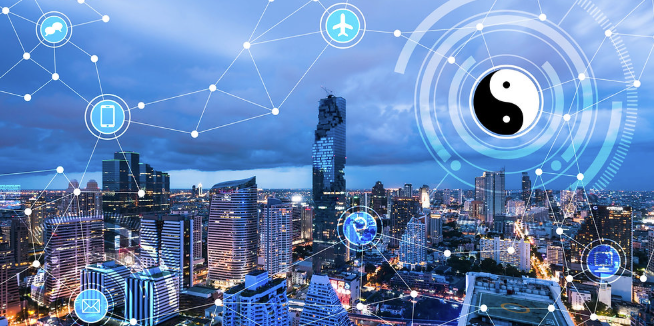
Similarly, in smart cities, it optimizes traffic management and energy consumption, enabling efficient resource allocation while improving overall urban living standards and operational effectiveness.
See also: valleyvistanews
The Future of Edge Computing
While the current landscape of technology demonstrates significant advancements in edge computing, its future promises even more transformative potential.
Emerging edge architecture will increasingly leverage decentralized processing, enhancing data security and reducing latency. As organizations embrace this paradigm, they will unlock new capabilities, fostering innovation and greater autonomy.
The shift towards localized computation will empower users and devices, redefining the digital experience.
Conclusion
In conclusion, edge computing stands at the forefront of technological evolution, revolutionizing how data is processed and managed. Its ability to minimize latency and optimize bandwidth usage is akin to unleashing a digital lightning bolt, accelerating decision-making processes across industries. As organizations increasingly embrace this decentralized framework, the potential for enhanced analytics and cost efficiencies becomes limitless, paving the way for unprecedented innovation and transforming the digital landscape into a more responsive and agile environment.