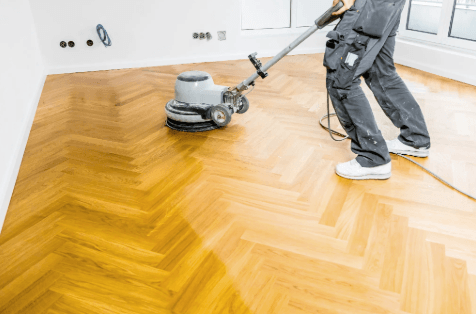
Establish a baseline by assessing flooring type, moisture, and fastening integrity. Implement daily and weekly routines that remove debris, with periodic mopping and prompt spill management to protect finishes. Apply seasonal sealing and monitor wear patterns, aligning with maintenance windows. Select compatible sealants and prep surfaces thoroughly before application. Regular inspections and timely repairs prevent costly damage, while documented progress guides future steps. The methodical approach sets the stage for durable results and invites continued, systematic attention.
How to Establish a Baseline: Assess Your Flooring Type and Conditions
To establish a baseline, start by identifying the flooring type and current condition through objective inspection and documentation. A methodical evaluation records surface wear, moisture indicators, and fastening integrity. This condition assessment informs maintenance baseline decisions, prioritizing preventive actions and future monitoring. Clear classifications enable consistent comparisons, guide material-specific care, and support durable performance while preserving freedom to adapt procedures as needed.
Daily and Weekly Routines That Prolong Finish and Structure
Daily and weekly routines play a critical role in maintaining finish integrity and structural health by reducing stressors and preventing buildup that accelerates wear.
The regimen emphasizes weekday cleaning to remove daily debris and spills promptly, plus periodic mopping with appropriate solutions.
Seasonal sealing reinforces resilience, directing attention to re-sealing cadence and documented maintenance windows for long-term durability.
Protective Measures and Products That Enhance Longevity
Protective measures and products that enhance longevity center on selecting appropriate sealants, coatings, and maintenance supplies, then applying them according to manufacturer specifications. The procedure emphasizes methodical preparation, correct product selection for substrate, and timely reapplication. Protective coatings should be compatible with cleaning regimes, booths, and traffic. Proper use sustains lasting durability, reduces wear, and enables consistent maintenance routines with clear, repeatable steps.
Troubleshooting and Timely Repairs to Prevent Costly Damages
Regular inspections and prompt repairs are the practical follow-up to protective measures, ensuring that minor issues do not escalate into expensive damages. Technicians document symptoms, isolate causes, and apply targeted fixes before failures propagate.
Protocols emphasize stain prevention and moisture control, checking seals, joints, and substrates. Timely repairs minimize downtime, extend wear life, and sustain safe, predictable flooring performance.
Frequently Asked Questions
How Often Should Professional Refinishing Be Considered for Different Floors?
Professional refinishing intervals depend on usage, finish, and wear; most floors are refreshed every 7–15 years, shorter in high-traffic areas. This procedure-oriented approach preserves floor life expectancy and supports a measured, freedom-minded maintenance plan.
Which Affordable DIY Methods Can Avoid Voiding Warranties?
Affordable DIY methods that avoid voiding warranties include using cheap mops and DIY cleaners applied per manufacturer guidelines, avoiding harsh solvents, and performing spot tests. The approach is practical, meticulous, and procedure-focused, aligning with an audience seeking freedom.
Are There Eco-Friendly Finishes for High-Traffic Areas?
A green shield shines: eco friendly finishes can meet high traffic durability demands. The procedure involves selecting low-VOC, durable coatings, proper surface prep, controlled curing, and regular maintenance to sustain performance without compromising environmental goals.
See also: How Ethereum Changed the Crypto Industry
How to Safely Remove Stubborn Stains Without Damaging Finishes?
Stain removal should begin with gentle, pH-neutral cleaners and test on inconspicuous areas; avoid abrasive tools. If residues persist, reapply sparingly. Finish safety requires protecting surrounding surfaces, following manufacturer guidelines, and using nonscalding, nonharsh solvents only as directed.
What Is the Best Way to Schedule Maintenance Around Seasonal Humidity?
Seasonal humidity dictates planning: monitor forecasts, align humidity thresholds, and block windows for sensitive tasks. Schedule maintenance around peaks and lows, document adjustments, and implement flexible routines, maintaining consistent inspections, preventive checks, and adaptable, meticulous upkeep for freedom.
Conclusion
In a detached, methodical cadence, the floor becomes a ledger of time. Each grain of dust is a quiet bookmark, each spill a fleeting warning. The baseline is a compass; routines, a drumbeat. Seasonal seals are the shields, inspections the watchful eyes. When repairs arise, they are notes in a well-kept journal, small but precise. In this careful choreography, durability accrues—a steady harbor built from deliberate care, until every surface speaks of resilience.